
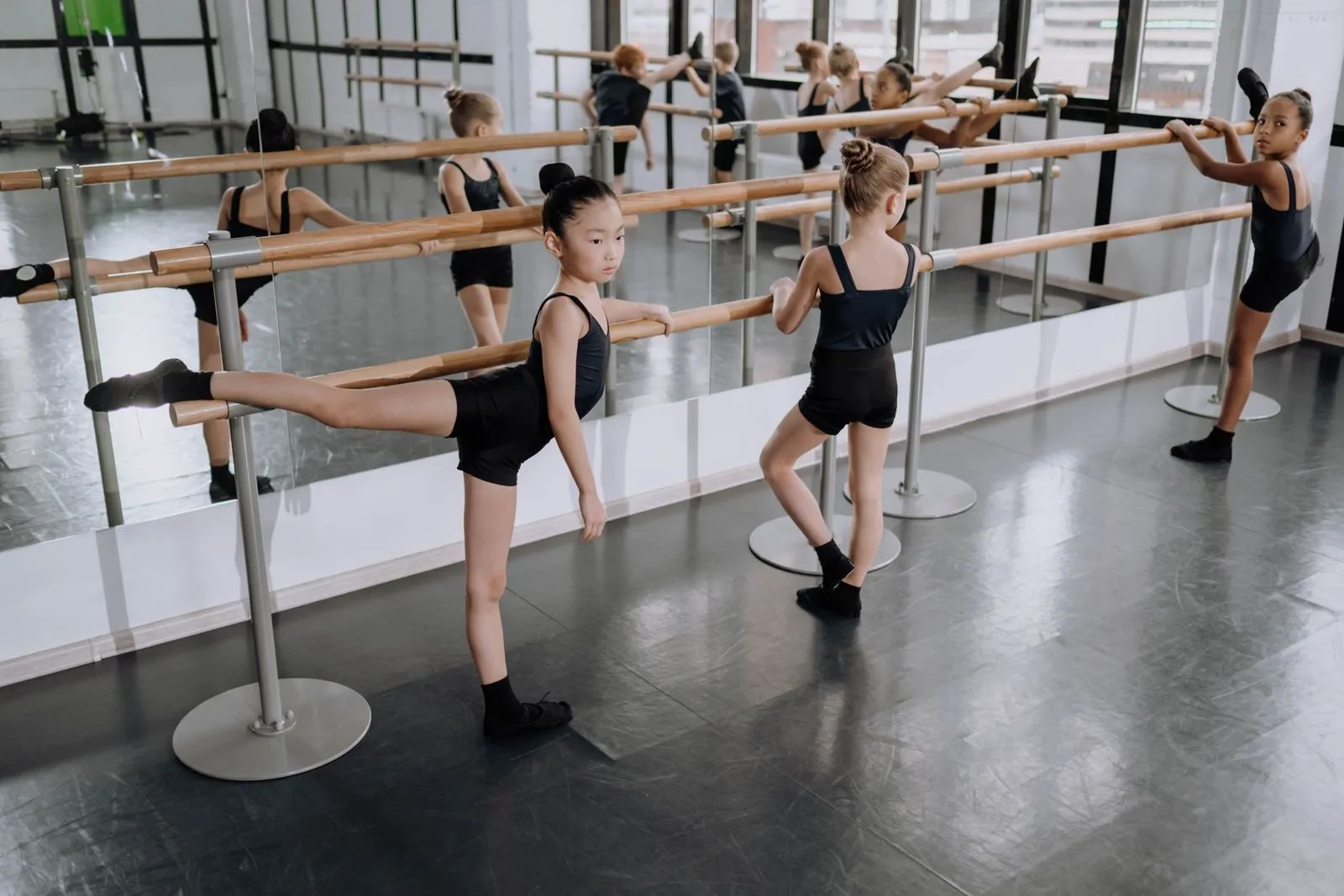
A first barre class can feel unfamiliar if you have not used a ballet barre or practiced small, controlled movements before. Most classes combine elements of strength training, balance, and mobility, with exercises performed standing at the barre and on a mat. You do not need dance experience. Knowing the typical class flow, what to wear, and how to ask for modifications can help you arrive prepared and focus on learning the movements.
How Class Usually Flows
Many barre classes begin with a brief warm-up, followed by standing exercises at the barre. You may then move to the center of the room for balance work or use the barre for support. The class often shifts to mat exercises for the core, hips, and glutes, then finishes with stretching. The exact order and timing vary by studio and instructor.
Arrive a little early to check in, find a spot, and tell the instructor that this is your first class. Ask where to place your belongings and whether the studio provides equipment. During class, follow the instructor’s demonstration and listen for alignment cues. If you lose track of a sequence, pause, reset your posture, and rejoin when you are ready.
Movements You May Practice
Common barre movements include pliés, small leg lifts, calf raises, and repeated bends or pulses. Instructors may also guide you through arm exercises with light weights, balance holds, or moves that target the outer hips and glutes. On the mat, expect exercises such as bridges, abdominal curls, and controlled leg extensions. Movements are generally precise rather than fast.
You may notice a muscle working intensely even when the movement looks small. That sensation is common, but sharp pain, numbness, or joint discomfort is a reason to stop and tell the instructor. Keep your range of motion comfortable, avoid locking your knees, and prioritize stable posture over making a movement deeper or holding it longer.
What to Wear and Bring
Choose fitted, flexible clothing that lets you move without needing constant adjustment. Leggings or athletic pants and a supportive top work well. Many studios ask participants to wear grip socks for traction and hygiene, while others allow bare feet or have different requirements. Check the studio’s instructions before class so you know what to bring.
Bring water and arrive in comfortable, clean clothing. Studios may provide mats, small weights, or resistance bands, but equipment policies differ. If you have an injury, a health concern, or a movement restriction, contact the studio before class and mention it to the instructor when you arrive. Share only the information needed to help them guide you safely.
Modifications Are Part of Class
Instructors can often offer options to make an exercise more accessible or more challenging. A modification might mean using the barre for extra balance, reducing the range of motion, skipping a weight, or taking a brief rest. If a movement does not feel right, ask for an alternative or choose a comfortable version instead of trying to match the person beside you.
Follow the instructor’s cues, but treat your own comfort as important feedback. You can take breaks, adjust your stance, or stop an exercise when needed. In a well-guided class, modifications are a normal part of instruction, not a sign that you are falling behind. The goal on your first visit is to learn the format and move with control.
Your first barre class is an opportunity to learn a new movement style, not to master every exercise in one session. Wear comfortable clothing, arrive ready to ask questions, and use the options your instructor provides. Contact Cincinnati Barre Strength before your visit to confirm class requirements and equipment details.